OAuth2 vs OIDC: Explained So Simply Anyone Can Understand
A super simple explanation of OAuth2 vs OpenID Connect with clear examples and diagrams anyone can understand.
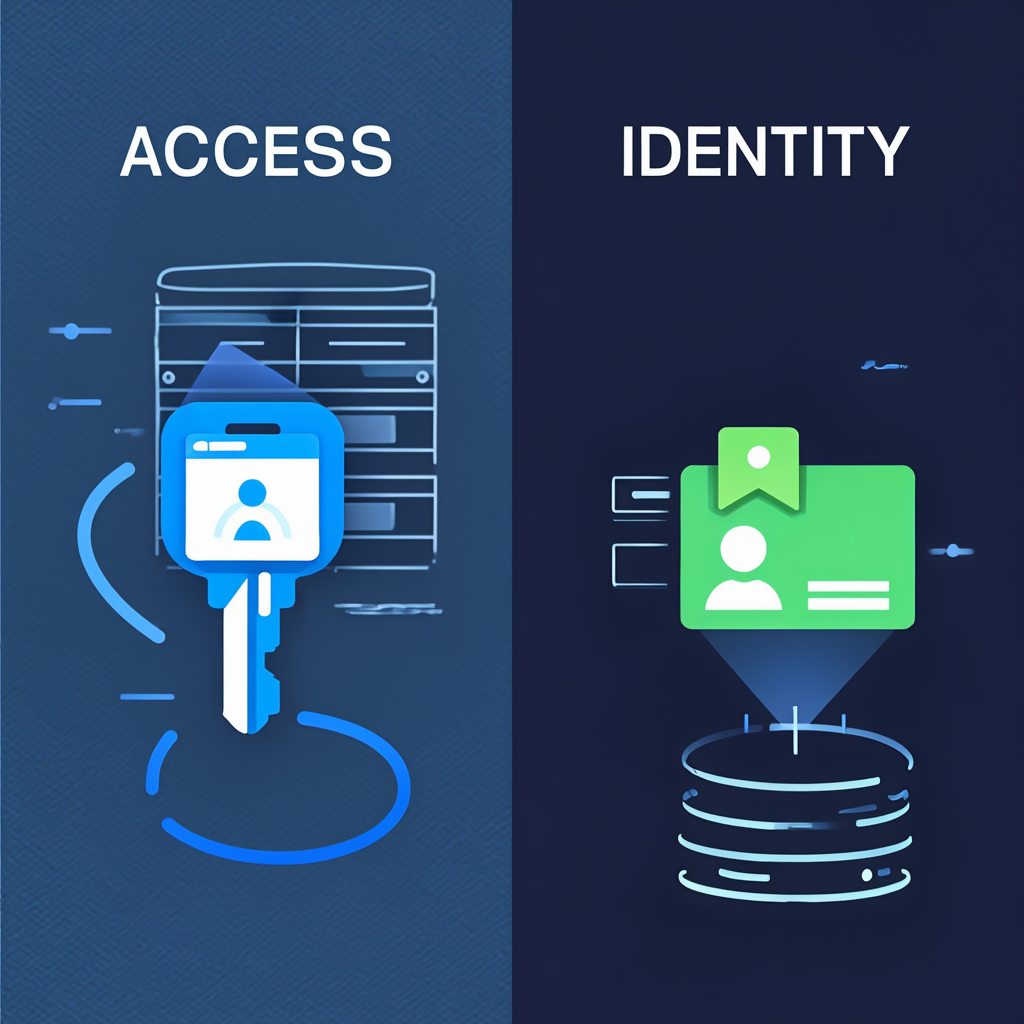
OAuth2 vs OIDC: Explained So Simply Anyone Can Understand
Read this first: OAuth2 Explained Clearly
See real-world integration: OAuth2 in SAP CPI and Informatica CAI
OAuth2 vs OIDC: Explained So Simply Anyone Can Understand
Most people confuse OAuth2 and OIDC.
They sound similar.
They are used together.
But they solve different problems.
Let’s make this very simple.
🎯 The 1-Line Difference
- OAuth2 → What can the app do?
- OIDC → Who are you?
🧠 Simple Story (Easy to Imagine)
🟢 OAuth2
You give a food delivery app permission to:
- see your address
- place orders
👉 The app can do things for you
🔵 OIDC
You log into a website and it knows:
- your name
- your email
👉 The app knows who you are
📊 Visual Difference
flowchart LR
    A[OAuth2] --> B[Access to APIs]
    C[OIDC] --> D[User Identity]

    B --> E[Read data / Write data]
    D --> F[Name / Email / Profile]
🔑 Tokens (Keep it Simple)
OAuth2 gives:
- Access Token → used to call APIs
OIDC gives:
- ID Token → used to identify the user
- (also uses access tokens for APIs)
📦 Real Example (Google Login)
👉 “Continue with Google”
sequenceDiagram
    participant User
    participant App
    participant Google

    User->>Google: Login & consent
    Google->>App: ID Token (who user is)
    Google->>App: Access Token (what app can access)
🧠 Easy Analogy
- OAuth2 = Permission Slip → “This app can access your stuff”
- OIDC = ID Card → “This is who you are”
🎯 When to Use What
Use OAuth2 when:
- calling APIs
- accessing data
- integrations
Use OIDC when:
- login system
- user identity
- showing user profile
⚠️ Common Mistake
Many apps assume OAuth2 tells them who the user is.
That’s wrong.
OAuth2 does NOT guarantee identity
🔍 Where OAuth2 and OIDC Fit (Compared to Other Methods)
🔐 OAuth2
- Purpose: Authorization
- Use: API access
🪪 OIDC
- Purpose: Authentication (Identity)
- Built on: OAuth2
- Use: Login
🏢 LDAP
- Purpose: Directory + Authentication
- Use: Internal enterprise systems
🧾 SAML
- Purpose: Authentication (SSO)
- Use: Enterprise Single Sign-On
🧓 OAuth 1.0
- Purpose: Authorization (older)
- Status: Mostly replaced by OAuth2
🧠 Simple Way to Remember
1
2
3
4
5
OAuth2 → Access
OIDC → Identity
LDAP → Internal users
SAML → Enterprise SSO
OAuth1 → Legacy
🧭 Final Thought
Modern systems usually combine:
- OAuth2 → for access
- OIDC → for identity
🔗 Related Reading
This post is licensed under CC BY 4.0 by the author.